

About Yuge Tea
Building on decades of expertise in cultivating premium Yame Tea(green tea) with reduced use of pesticides and chemical fertilizers,
Yuge Tea began producing and selling Japanese Black Tea in 2017.
About Japanese Black Tea produced by Yuge Tea
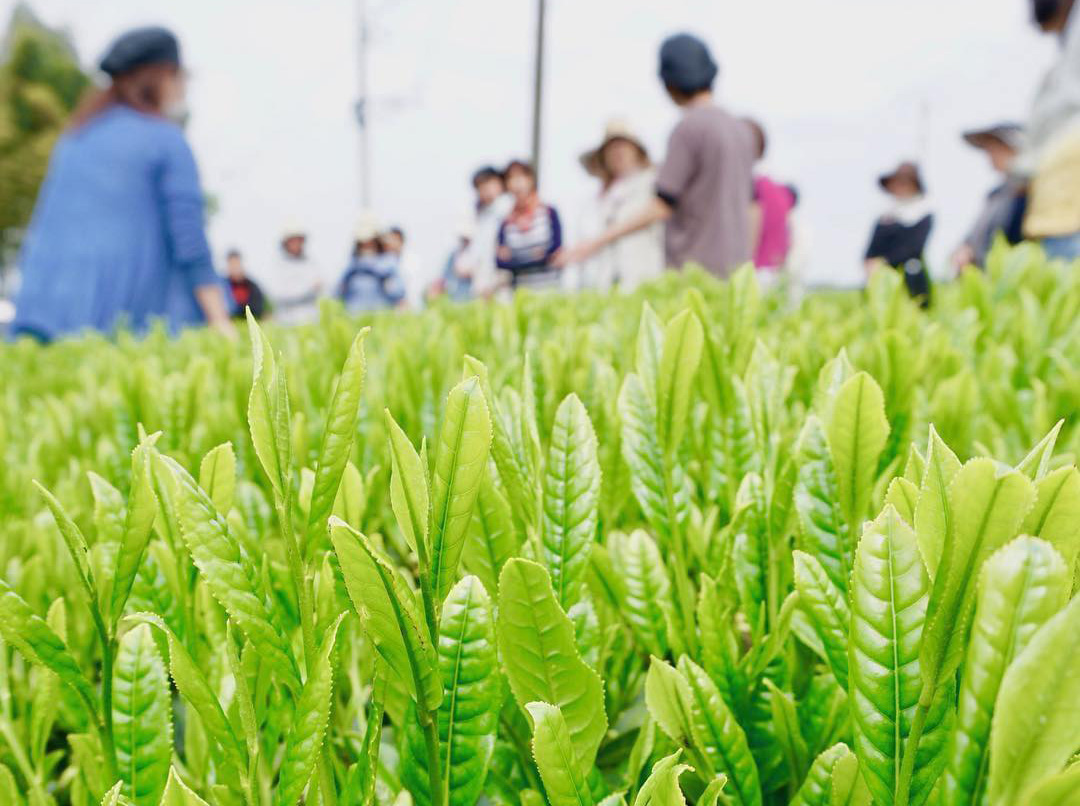
Japanese Black Tea is the black tea produced in Japan using tea varieties traditionally grown for Japanese green tea.
Both black tea and green tea come from the same tea plant. Their distinctive characteristics are created through differences in the composition of the leaves and, most importantly, the way they are processed, including how tannins — the compounds associated with astringency — are transformed during production.
At Yuge Tea, we have spent many years cultivating green tea while reducing the use of pesticides and chemical fertilizers and continuously improving the soil in our tea fields. This experience gives us great confidence in the quality of the leaves we use to produce our Japanese Black Tea.
We have also extensively studied traditional black tea production techniques in countries renowned for their tea-making expertise.
At our own production facility, we carefully carry out every essential step of the process: withering, which gently reduces the moisture content of freshly picked leaves; rolling; oxidation; and several stages of drying.

Recognized for Quality Comparable to Darjeeling from North Bengal

In the very first year that we produced Japanese Black Tea, we submitted our tea for professional appraisal in India.
India is one of the world’s leading tea-producing countries, and Darjeeling is among its most highly prized teas. Only teas officially recognized as Darjeeling are sold under the Darjeeling name, making it a rare tea that accounts for only a small percentage of India’s total tea production.
Darjeeling tea produced in the Darjeeling region of northern West Bengal, in northeastern India, is particularly renowned as one of the finest teas in the world. It is also known as “the Champagne of Teas” and “the Queen of Teas.”
In 2017, our Japanese Black Tea became the first Japanese-produced black tea to receive an appraisal certifying it as being “Quality Comparable to Darjeeling from the North Bengal region.”
Such certification is considered extremely difficult to obtain, and there had been virtually no precedent for an individual tea farm to apply for and receive this recognition.
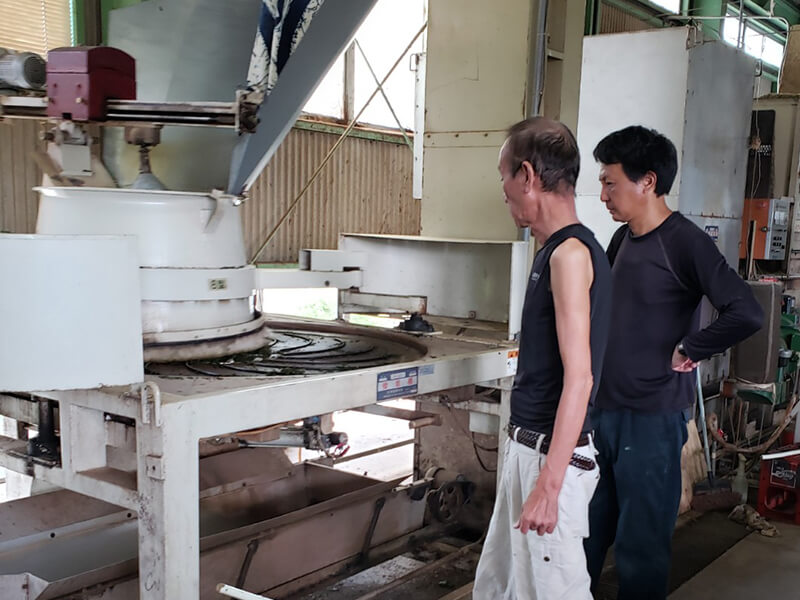
Continuously Refining Our Japanese Black Tea
Since receiving our appraisal in India in 2017, we have continued working to further refine our tea and create an even more exceptional Japanese Black Tea.
In 2018, our tea won Second Place at “Milk Tea Contest,” in the 3rd Japanese Black Tea Festival.
In 2019, we received a One-Star Award in the “Single Estate Tea, Loose” category at the Great Taste Awards 2019, an international food competition organized by the Guild of Fine Food in the United Kingdom and often described as the “Oscars of the world of food.”
In pursuit of further improvement, we also traveled to France and Taiwan to study advanced tea production and processing techniques firsthand.
In both France and Taiwan, tea is often enjoyed without milk, making them ideal places to deepen our understanding of refreshing, low-astringency teas with qualities like Darjeeling.
By bringing the knowledge and techniques we gained overseas back to our own tea-making, we continue to produce and offer high-quality Japanese Black Tea with a refined and distinctive flavor.
What Makes Low-Tannin Tea So Appealing?
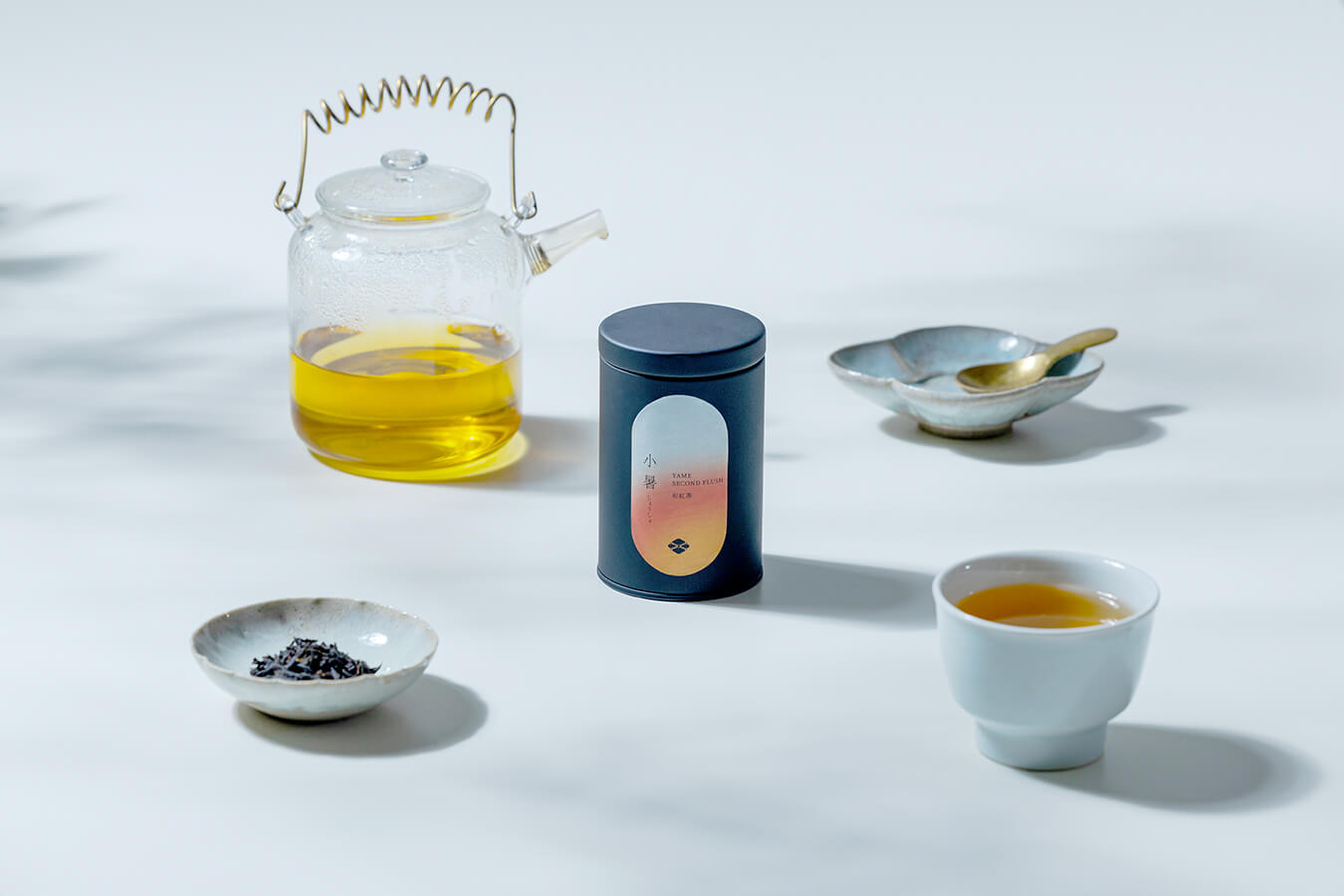
Our Japanese black tea has been found to contain almost no catechins or other tannins, which can cause bitterness and astringency.
As a result, the tea is remarkably smooth, mellow, and gentle on the palate, with very little bitterness or astringency.
At the same time, producing black tea from leaves with naturally low tannin levels requires a high degree of skill. Careful control of the oxidation process, in which the compounds in the tea leaves change through enzymatic reactions, is essential to developing the tea’s aroma, flavor, and character.
Our Japanese Black Tea is the result of years of research and refinement, not only in tea cultivation, but also in the processing techniques applied after the leaves are harvested.
 Contact Form for Japanese Black Tea
